NYBC Pushes Three State Initiatives
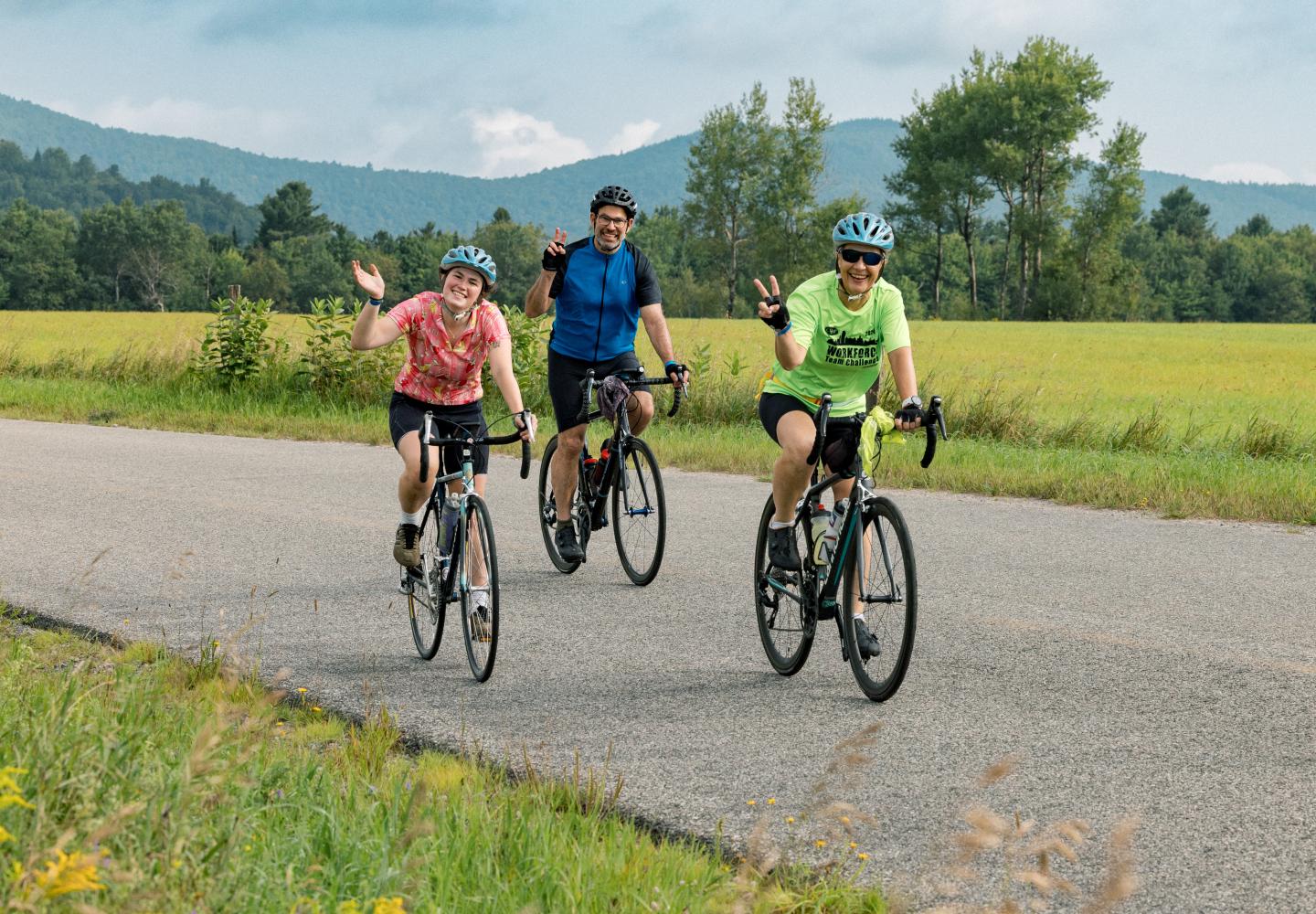
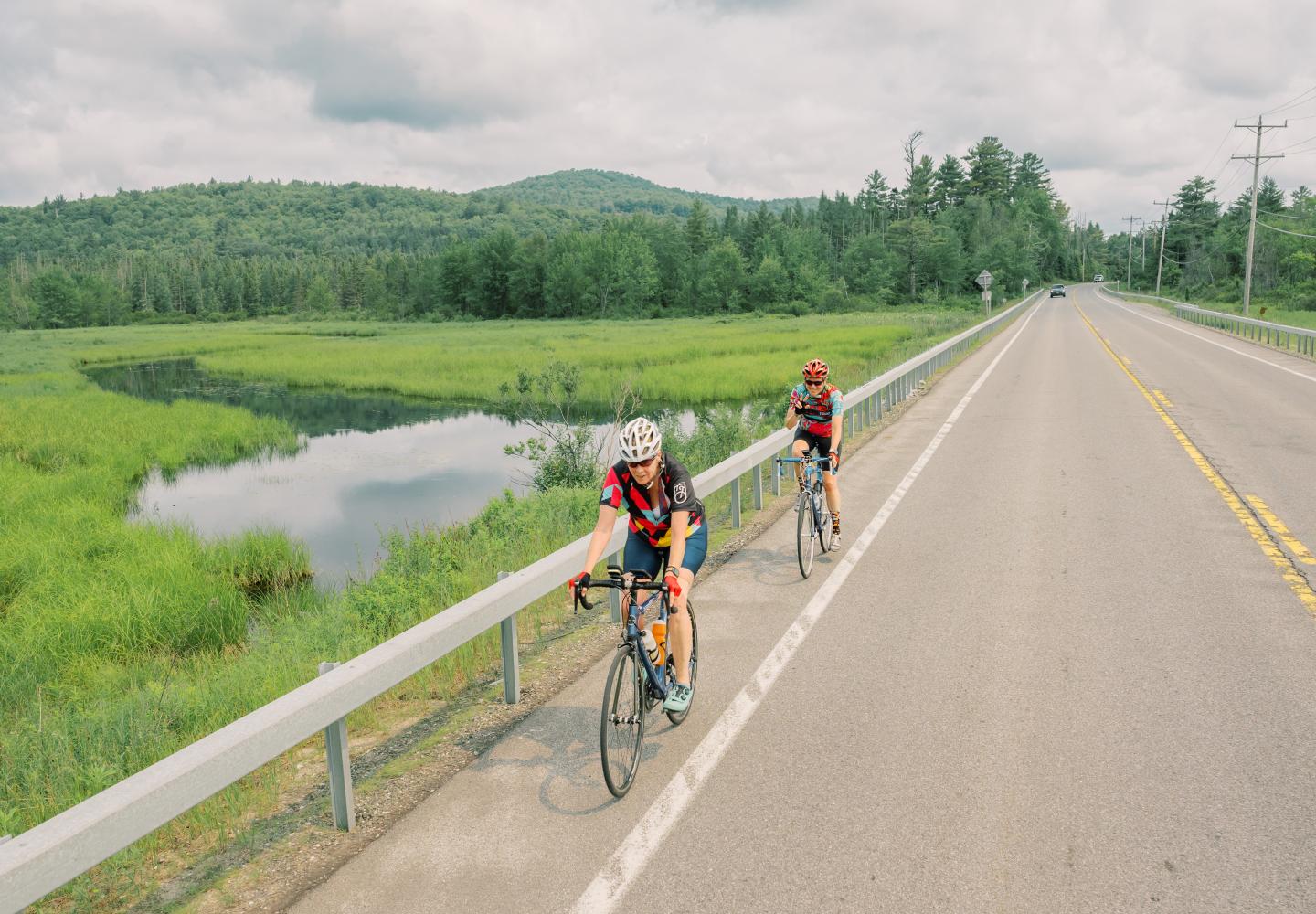
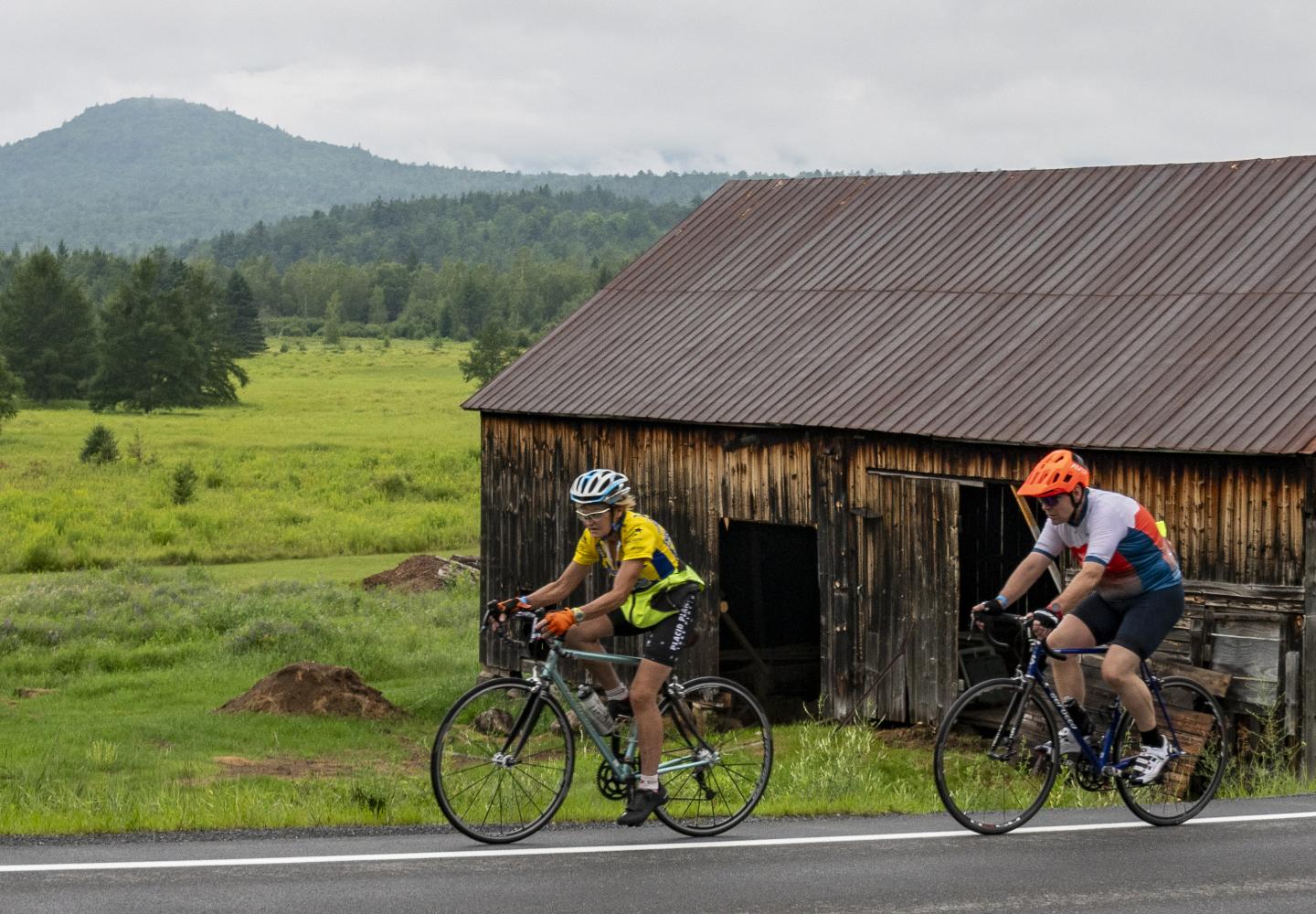
The snow won’t last forever, and it won’t be long before cyclists show up on our village streets and on the shoulders of country roads.
The New York Bicycling Coalition, which represents 6,000 cyclists, is pushing three legislative initiatives to make life safer for those road bikers.
Anne Savage, the coalition’s executive director, said progress has been made on all three fronts, but more work is needed.
Defined Safe Passing
Forty states have enacted laws mandating that cars keep at least three feet away when passing cyclists. New York law requires only that motorists maintain a “safe distance,” which Savage argues is too vague to enforce.
Savage noted that all of our neighboring states have safe-distance laws. “New York is a real outlier now,” she remarked.
The state Senate has passed a bill requiring a three-foot distance, but for reasons that Savage said are unclear, the Assembly has not. She’d like to see the safe distance extended to four feet, but she hopes the chambers will approve some version of the bill this year.
Meanwhile, three counties--Suffolk, Ulster, and Monroe--have enacted their own safe-distance laws. Two more counties, Albany and Cortland, are considering similar bills.
Savage hopes the counties’ initiatives will prod the state legislature into action.
In the Adirondacks, many roads have a 55-mph speed limit. No doubt cyclists would like fast-moving cars to give them a wide berth.

Strive for 25
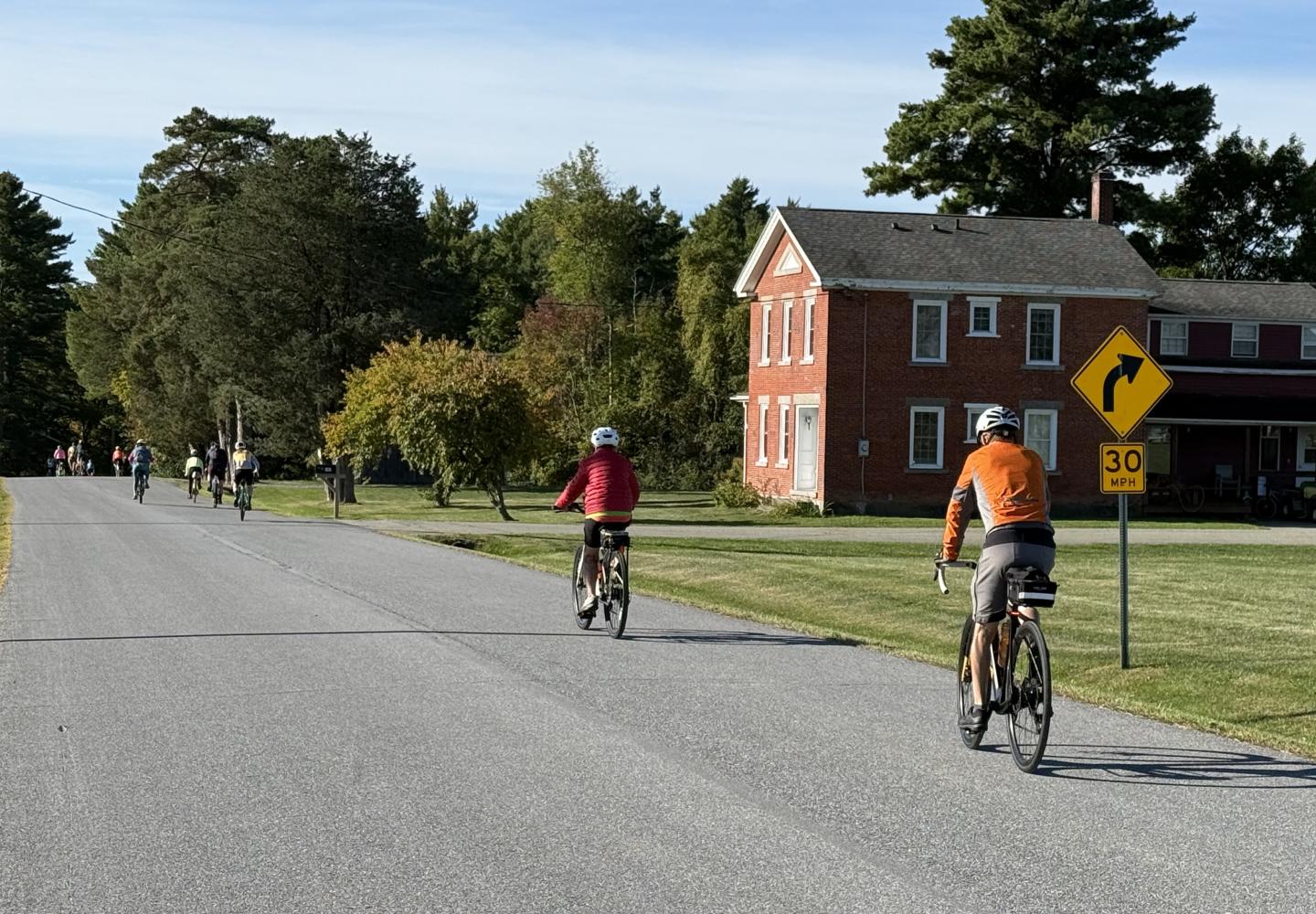
Most villages in the Adirondacks (and the rest of the state) have a speed limit of 30 mph. Thanks to a 2022 law, they now have the option of lowering the limit to 25 mph.
Savage said studies have shown that lowering the speed limit reduces the frequency of accidents and the severity of injuries. “The difference is the difference between living and dying,” she said.
So far, 25 of the state’s municipalities have adopted the 25-mph limit. Only one is in the Adirondack Park: the village board in Northville voted unanimously for the change in December 2024. Mayor Susan Eckert said the board was concerned for the safety of pedestrians, especially in the village’s commercial district.
Savage said her coalition will urge leaders in other communities to do the same, telling them that it is an inexpensive way to enhance public safety and that it does not require a detailed traffic study.
Idaho Stop
In 1982, Idaho became the first state to pass a law allowing cyclists to regard stop signs as yield signs and stoplights as stop signs. In both circumstances, cyclists can continue riding when the intersection is clear.
Since then, eleven other states have adopted similar laws. In New York, a bill passed the Assembly but not the Senate.
About a quarter of cyclist fatalities from car collisions occur at intersections, according to the National Highway Traffic Safety Administration. Allowing cyclists to cross an intersection or turn when the coast is clear rather than crossing or turning at the same time as motorists reduces the chances of an accident.
For example, Delaware saw a 23-percent decrease in bicycle accidents at stop-sign intersections soon after adopting an Idaho Stop law.
E-bikes
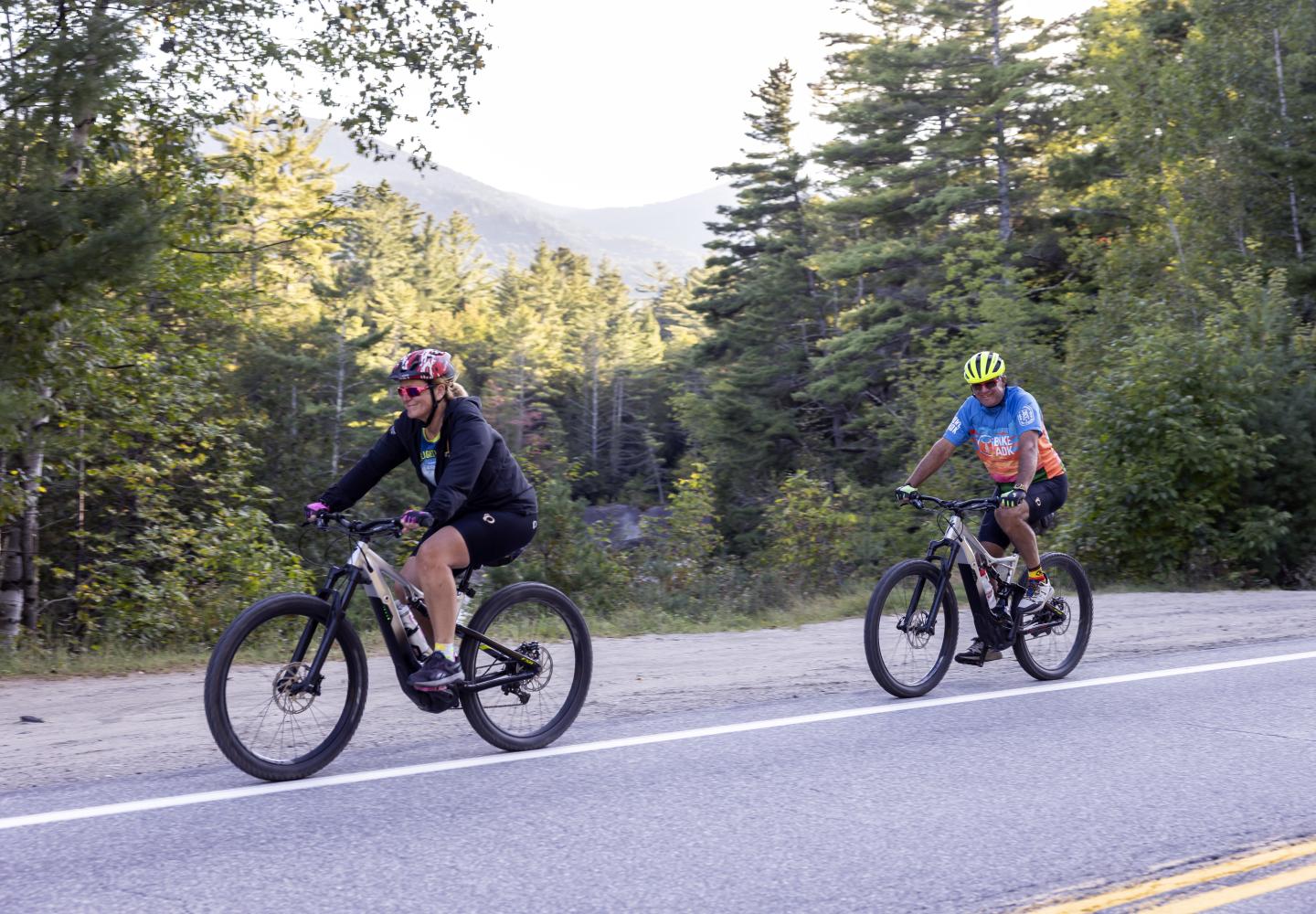
The NYBC also is working on several e-bike issues, including the problematic marketing and use of miniature scooters and similar conveyances as bikes. One issue that especially concerns the Adirondacks is the state law prohibiting e-bikes on roads where the speed limit exceeds 30 mph. In effect, this means e-bikes are banned on most of the region’s roads.
“It is crazy,” Savage said. “There is no reason why I can ride my regular bike on the road and not an e-bike. It constrains your ability to use your e-bike for transportation.”
It also could discourage e-bike tourists who want to ride from village to village in the Adirondacks
On a positive note, Savage said the recently completed Adirondack Rail Trail (which does allow e-bikes) has enhanced tourism in the region. She already has ridden on the trail four times herself.
“I love the way it makes the beauty of the Adirondacks accessible to someone who doesn’t hike or backpack,” she said.
The rail trail extends 34 miles from Lake Placid to Tupper Lake. It also passes through the village of Saranac Lake.
For more information on the coalition’s legislative initiatives and tips on how to help, check out the group’s advocacy page.